Introduction to Digital Fabric Printing
Digital
fabric printing is a relatively new technology with tons of
applications. I just completed my first line of digitally printed
fabric earlier this year and I’d like to share a little bit about
the technology, design process and possibilities.
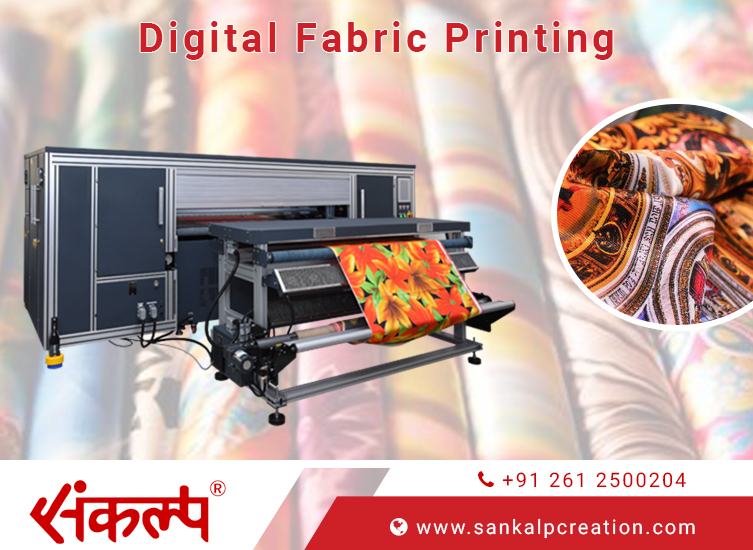
Technology
Most
commercially available fabric is rotary screen printed; each print
the run is typically several thousand yards. The high minimums are
due to the cost and time required to prepare a unique set of screens,
with each color in a design requiring a separate screen. The main
advantage of digital printing is the ability to do very small runs of
each design (even less than 1 yard) because there are no screens to
prepare.
The
inkjet printing technology used in digital printing was first
patented in 1968. In the 1990s, inkjet printers became widely
available for paper printing applications – you might even have one
on your desk right now! The technology has continued to develop and
there are now specialized wide-format printers which can handle a
variety of substrates – everything from paper to canvas to vinyl,
and of course, fabric.
The
inks used in digital printing are formulated specifically for each
type of fiber (cotton, silk, polyester, nylon, etc). During the
printing process, the fabric is fed through the printer using rollers
and ink is applied to the surface in the form of thousands of tiny
droplets. The fabric is then finished using heat and/or steam to cure
the ink (some inks also require washing and drying). Digitally
printed fabric will wash and wear the same as any other fabric,
although with some types of ink you may see some initial fading in
the first wash.
Design
Process
Designs
can be created digitally with almost any graphic design software
(Photoshop and Illustrator are the most popular). Alternatively,
existing artwork or photographs can be scanned and then digitally
manipulated to make a pattern. Usually, designs are created as a
seamless pattern that is repeated (tiled) across the fabric. You can
also create a design that fills an entire yard without repeating, but
you may run into issues if the size of the file is too large for the
printing service to process.

Comments
Post a Comment